The majority of people over 65 participate in at least one regular social activity each week, according to Insee. However, nearly a quarter of them report feeling a persistent sense of isolation, despite a busy schedule.
The social fabric is not just about the simple accumulation of activities. What matters is the variety, the richness of exchanges, and the strength of the bonds created. Some lesser-known practices, such as engaging in an association or continuous learning, truly transform the quality of life, far from the expected routines.
Aging while remaining an actor in one’s life: why social engagement matters after 65
Crossing the threshold of retirement opens a new chapter. The pace changes, the reference points waver, and social isolation lurks. The World Health Organization warns: this danger weighs as heavily on health as tobacco or inactivity. Yet, social connections protect both body and mind and contribute to prolonging life. The figures from Insee and the work of researchers converge: maintaining varied relationships reduces the risk of dementia, cardiovascular diseases, and helps preserve autonomy.
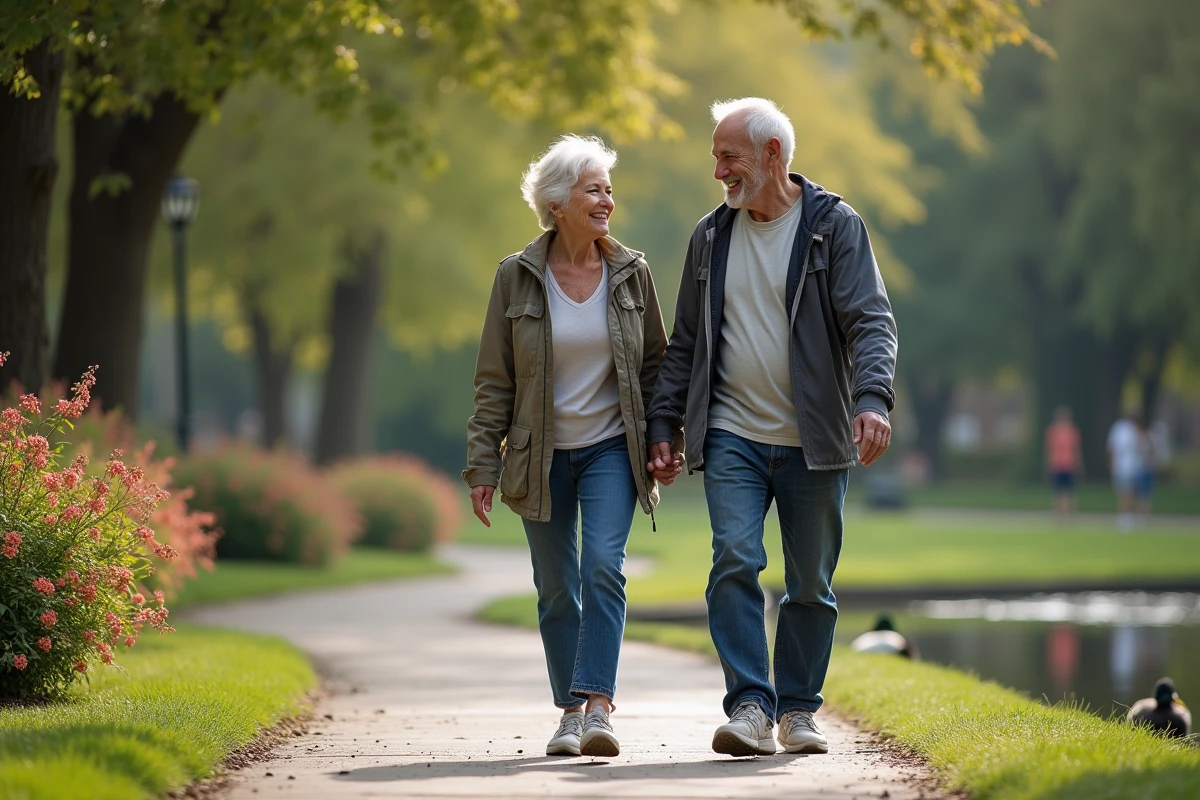
To give meaning to retirement, engagement becomes a true driving force. Getting involved in an association, offering time for volunteering, joining collective workshops: these are all opportunities to create connections, contribute to the common good, and gain renewed self-esteem. Group dynamics stimulate reflection, energy, and memory. A walking club, a neighborhood workshop, a visit to a neighbor: these simple gestures make all the difference.
Maintaining one’s social life is also choosing to act for one’s health. Nothing beats action: walking in a group, starting a project, passing on a passion. On blog-seniors.fr, solidarity and transmission occupy a central place. The advice there is enriched with concrete testimonials, proving that engagement is not merely a matter of a little extra soul.
Here are some avenues to explore to expand one’s social circle and stay active:
- Join a local association, whether cultural or sports-related;
- Organize regular meetings with neighbors or friends;
- Participate in intergenerational workshops or conferences;
- Offer time as a volunteer to other seniors or young people.
Retirement then becomes a space to multiply collective initiatives. Each commitment opens new horizons, for oneself and for others.
What barriers do seniors face in maintaining a dynamic social life?
Aging has never meant fading from the social world. However, obstacles arise and slow down the momentum. The first barrier, often invisible: the immediate environment. An impractical neighborhood, an isolated residence, complicated access to transportation limit opportunities for meetings. The space in which one lives conditions the ability to keep in touch, especially when mobility decreases.
Loneliness can settle in following a bereavement or the departure of children. Even when family provides real support, it cannot replace a diverse circle of relationships. After the end of professional life, one sometimes has to reinvent everything: approach new faces, regain confidence, invest in new networks. This step can weigh heavily.
Other difficulties intertwine with daily life: loss of autonomy, apprehension of others’ judgments, health-related fatigue. Administrative procedures, fear of being a bother, or the preconceived notion that retirement means withdrawal add their share of discreet barriers.
Among the main difficulties, we find:
- Activities that are poorly adapted or difficult to access
- Information that is not always easy to obtain
- A lack of solutions for transportation or support
Health prevention proves to be crucial. Attentive support, whether from loved ones, professionals, or mutual insurance, sustains autonomy and quality of life. Anything that facilitates leaving the home—environment, housing, human or technical assistance—acts as a springboard to reconnect with the community and rediscover the joy of sharing.
Concrete and inspiring ideas to cultivate connections and thrive every day
Staying active after 60 is not just a catchy phrase. Testimonials from seniors prove it: combining physical activity, exchanges, and daily curiosity nourishes vitality over time. Walking regularly, signing up for an art workshop, joining a choir or a game club: these are all doors that open. Associations and local communities offer a wide range of initiatives, suited to all tastes and paces.
Volunteering presents itself as a privileged path to strengthen social ties and regain one’s place in society. Supporting children, cultivating a shared garden, getting involved in a solidarity mission: these commitments structure daily life and give it meaning. Senior residences also multiply collective activities: cooking workshops, gentle gymnastics, cultural outings. These shared moments foster conviviality and combat loneliness.
It is also worth paying particular attention to nutrition and sleep. A varied diet, rich in fruits and vegetables, combined with restorative nights, supports the health of both body and mind. Holistic approaches, led by professionals like Julien Hyardet, combine adapted exercises, nutrition, stress management, and cognitive stimulation, keeping the collective at the center. Residents’ feedback is unequivocal: physical and mental balance is built at the heart of shared life.
Here are some practical ideas to maintain vitality and pleasure in daily life:
- Discover a new creative activity each month
- Participate in a regular volunteer action
- Prioritize shared meals, with family or friends
- Set aside moments for reading or resting to nourish the mind
At every stage, retirement is invented and reinvented, a living proof that there is no age to write the next chapter of one’s story.