In a world where digital reigns, motion design has established itself as an essential sector. From advertising to social media, and mobile applications, graphic animation is ubiquitous. However, mastering this art requires more than just technical knowledge. Motion design training, to be truly effective, must offer more than mere technical learning. They must address the specific needs of each learner, and this is where the importance of personalized support and coaching comes into play. These elements add a new dimension to learning, allowing students to maximize their potential while aligning with their professional goals. How do these training programs integrate individualized follow-up, and what are the benefits for future animated designers?
A pedagogical approach centered on the individual
To meet the diverse needs of learners, motion design training programs tend to focus on the individualization of the educational path. This personalization goes beyond simply adapting content.
- Initial skills assessment: even before starting, students are often subjected to an initial assessment. This helps determine each participant’s level and adjust the content accordingly.
- Personalized goals: each learner is given specific goals based on their professional aspirations and current level. This ensures that everyone progresses at their own pace.
- Regular feedback: throughout the course, frequent feedback is provided. These ongoing evaluations allow for adjustments in teaching methods and ensure that students stay on track.
Coaching: an essential support
Within the training framework, coaching represents an essential element that complements the theoretical and practical learning of motion design. It is a process that goes beyond traditional teaching and focuses on the overall development of the learner.
Coaching offers tailored support, adapted to the specific needs of each student. This support allows for a better understanding of the complex concepts inherent to motion design and fosters the acquisition of essential interpersonal skills in the professional world. Coaches, often industry experts, bring not only their technical knowledge but also their professional experiences, enriching the learning process. Thanks to this process, students gain a deeper and more practical understanding, effectively preparing them for their future careers.
Technologies and tools in support of guidance
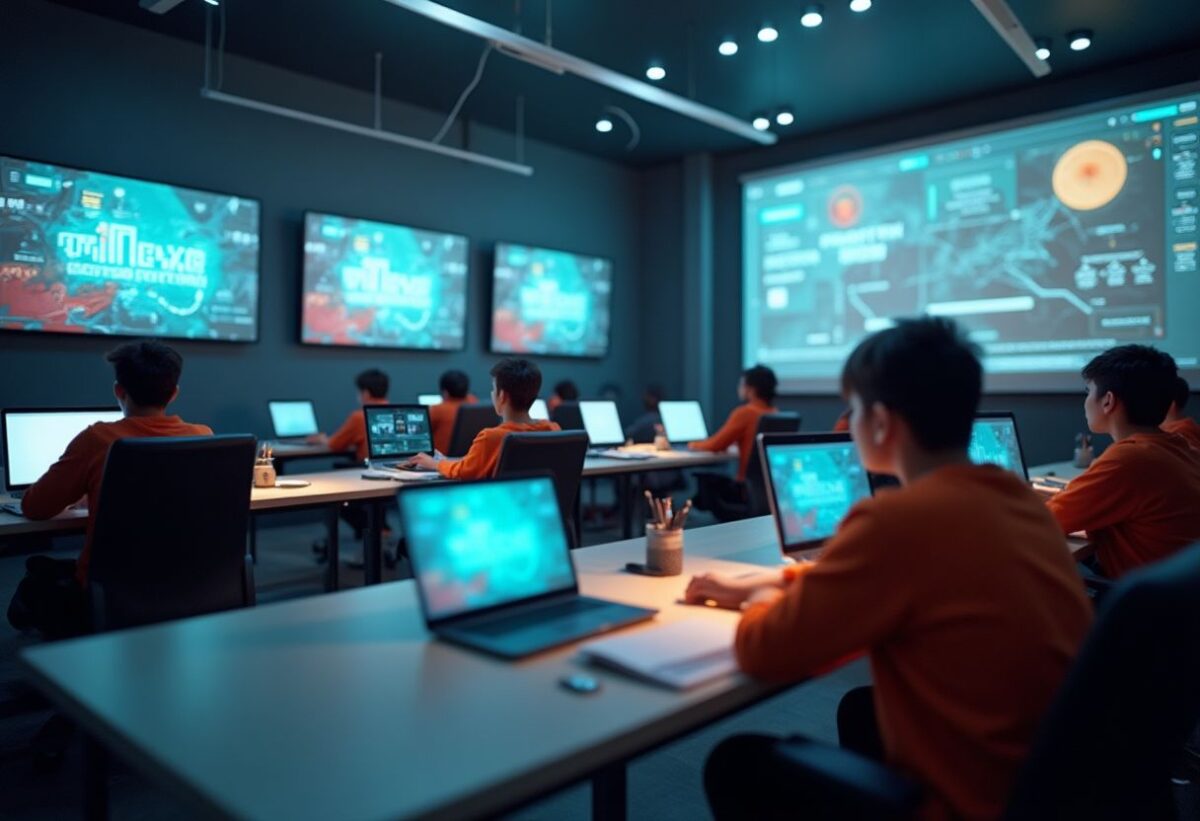
In a sector where technology evolves rapidly, training programs must integrate the latest tools to provide a modern and effective learning experience. To learn more, visit motion design training.
- Interactive platforms: students have access to online learning environments that allow for continuous interaction with their trainers and peers.
- Tracking tools: through advanced software, each student’s progress is monitored in real-time. This allows for quick adjustments to teaching methods.
- Simulations and practical exercises: learners can apply their knowledge in simulated environments, allowing them to practice without risk.
- Digital resources: a vast library of resources is available to students, enabling them to reinforce their knowledge and explore new techniques independently.
The benefits of personalized guidance
An individualized approach in motion design training offers several lasting advantages.
Firstly, it allows each learner to progress at their own pace, thus avoiding the frustration of delays or the demotivation caused by a pace that is too fast. Secondly, it ensures better assimilation of concepts through an approach tailored to each individual’s needs. This method also fosters greater self-confidence, as students feel supported in their journey. Finally, it effectively prepares future professionals to enter the job market by providing them with the specific skills required by the industry.
Motion design training that integrates personalized support and coaching stands out for its ability to transform students into true professionals. By offering individualized support, they ensure quality training tailored to the needs of each learner while meeting the demands of the current market. For those looking to enter the field of motion design, choosing a training program that offers such guidance can make all the difference.