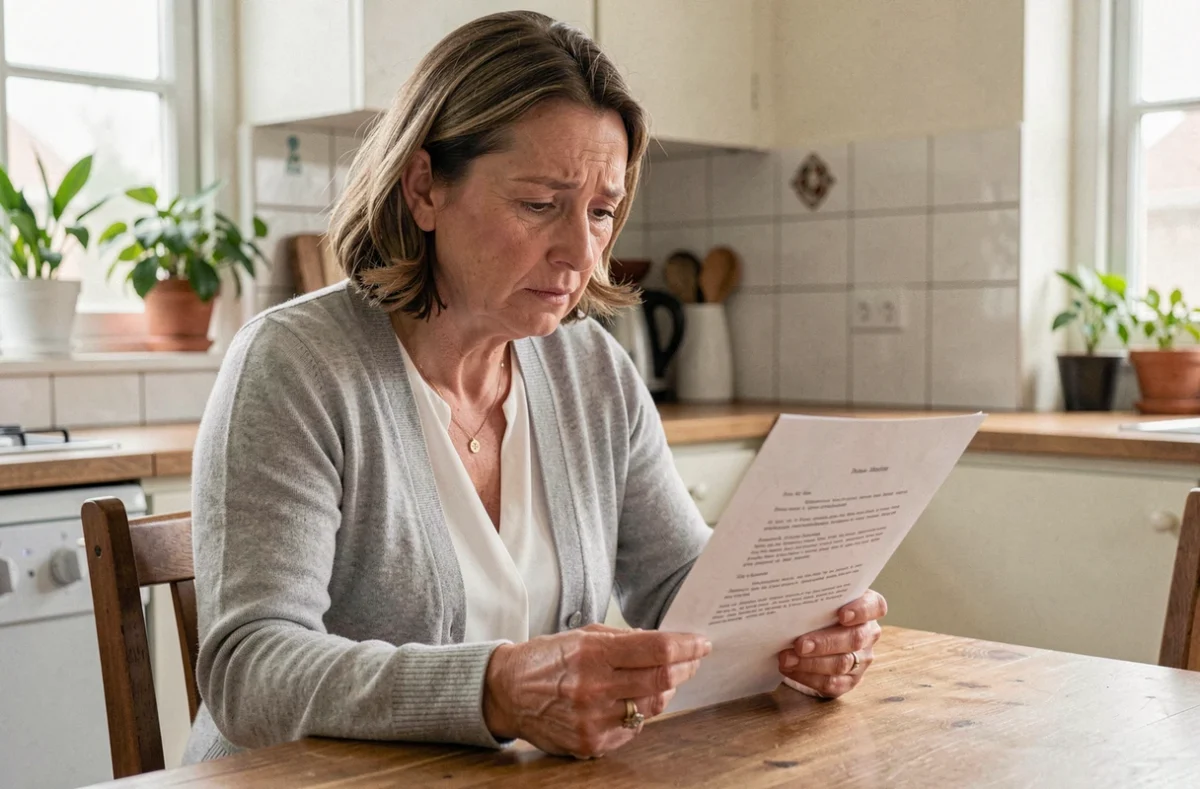
After your file has been reviewed by the housing allocation committee (CALEOL), two distinct deadlines come into play: the one for the social landlord to notify you of the decision, and the one granted to you to accept or refuse the offer. Confusing these two timelines is common, and this confusion can have direct consequences on your application. The regulatory framework sets benchmarks, but practices vary among landlords and regions.
Landlord’s Deadline and Candidate’s Deadline: Two Timelines Not to Be Confused
The CALEOL reviews applications and assigns a rank to each candidacy: first rank (direct allocation), substitute rank (candidate on hold), or rejection. Once the decision is made in the session, the landlord has a short period to notify the candidate of the result, usually by mail or electronically.
This first deadline, that of the notification by the landlord, is not subject to any uniform legal duration imposed on all HLM organizations. In practice, most landlords send their letters in the days following the committee meeting. Some organizations, like Seqens, indicate on their online space that the candidate is informed after the committee review, without specifying a guaranteed timeframe.
Several testimonials and feedback document the response time after the housing allocation committee and show that the wait can extend over several weeks depending on the administrative workload of the landlord.
The second deadline concerns the selected candidate. The candidate ranked first has a deadline to accept or refuse the housing offer. This deadline, specified in the offer letter, is usually ten days. A refusal or a lack of response within this timeframe results in the loss of the allocation benefit, and the housing is then offered to the candidate ranked as a substitute.

Concrete Consequences Based on the Rank Assigned by the CALEOL
The rank assigned to you by the committee determines the next steps in your journey and the weight of your responsiveness.
Candidate Ranked First
You receive a formal housing offer. The letter specifies the address, rent, charges, and the deadline to respond. Not responding within the allotted time is equivalent to a refusal. The landlord then moves on to the next candidate, and your file remains active in the system, but without any additional priority related to this committee.
A refusal does not cancel your application for social housing. Your unique registration number remains valid. However, several successive refusals may be reported and taken into account during future committees, depending on the landlord’s internal policy.
Substitute Candidate
If you are ranked second or third, you will only be contacted if the higher-ranked candidate refuses or does not respond. This mechanism involves an additional wait, the duration of which depends entirely on the responsiveness of the higher-ranked candidates. No maximum deadline governs this waiting period for the substitute.
In some cases, the housing may ultimately never be offered to you if the first candidate accepts. The landlord is not always obliged to inform you that the housing has been allocated to someone else.
Rejected Application
The committee can reject an application. This rejection must be justified: resources exceeding the limits, mismatch between household composition and housing size, incomplete file. The rejection letter must specify the precise reason for the decision.
A rejection by the committee does not close your application for social housing. Your file can be presented at a future committee for another housing option, provided that your application is still active and renewed within the regulatory deadlines.
Following Up with the Social Landlord: When and How to Act
The absence of news after several weeks raises a practical question. Should you wait, follow up, or consider that the application has been dismissed?
- If you have been ranked first and have not received any letter after two to three weeks, contact the landlord’s allocation service directly, by phone or through your online tenant space. A postal delivery issue is not uncommon.
- If you are a substitute, silence does not necessarily mean a rejection. It may indicate that the first candidate has not yet responded. A follow-up after a month remains reasonable.
- If your application has been rejected and you have not received any justified notification, you can ask the landlord to provide you with the decision in writing. This document is useful in case of an appeal.
The annual renewal of your social housing application remains a step not to be overlooked. A non-renewed file is removed from the system, which cancels any accumulated seniority.
Possible Recourse in Case of Abnormally Long Delays
When the waiting time significantly exceeds usual standards, the right to housing (DALO) can be a lever. This mechanism is aimed at applicants whose situation meets priority criteria (lack of housing, substandard housing, disability, prolonged temporary accommodation) and whose application has not been successful within a timeframe considered abnormally long.
Referring to the DALO mediation committee does not directly concern the post-committee deadline, but the absence of a suitable housing offer despite an old application. The DALO intervenes upstream of the CALEOL, not afterward.
For situations where the landlord does not respect its own notification commitments, no specific legal recourse exists at this stage. The approach remains administrative: written follow-up, soliciting the reserving authority (town hall, prefecture, Action Logement depending on the origin of the application), or contacting a social worker who can support the request.
The distinction between the landlord’s response time and the time allowed for the candidate to accept remains the central point to monitor. The former is vague and variable, while the latter is framed and directly conditions the acquisition of housing. Keeping a written record of each exchange with the social landlord protects your file in case of disputes over deadlines.